
Exactly.
The title of the sharing session captivated me to come down. Ever so thankful that I have no class on Tuesdays as such seminars, talks and sharings in school are usually organised during lunchtime between Tuesdays – Thursdays.
Above all, I was intrigued by the whole concept as I am currently enrolled in a module called “Storytelling for organisations and brands”. (Lol honestly not good at that mod but it genuinely interests me so why not! and the lessons are applicable in other aspects of life! Life of a librarian maybe? InshaAllah)
We were surprised that our Storytelling prof moderated the session. When the guest speaker began his sharing, he let a dramatic
“Storytelling is dead” and say “no to consumer insights”.
It was an epic moment as prof turned to look at us, and we looked back. Hahaha it was funny as our whole module is based on storytelling as the driving force for brands today and how everything is based on insights. Thus, for someone to tell us another narrative, a narrative that is at odds to what we are learning, clearly got our attention.
In summary, Mastercard’s CMO and CCO Raja Rajamannar wanted to highlight that the word of mouth will always outshine other forms of advertising. It is organic, raw and real. Hence this results in a stronger and more sustainable medium to promote one’s brand.
He began his sharing with the dying and emerging trends in advertising. How we’ve moved from radio and TV advertising to online ads. There are 615 million global devices that block ads as of today. He also highlighted the shift to platforms such as Netflix (130 million subscribers) just so we can run away from ads. Today, advertisers can no longer shove us their product. We choose what we want to see. It is only by the consent of the entitled consumers. Because of their “entitlement”, we need to give them what they want.
Consumers are described as The expectation economy
- Better informed
- Looking to be delighted
- Constantly rewarded
- Feeling entitled
Storytelling is dead… Long live…storymaking!
- Consumers are treated as our advocates.
- Experiences matter more than things
- How to create these experiences? Ensure consumers care about it.
- Mastercard’s definition of experiences:
- Priceless – cities (making experiences, book the experiences, with mastercard, one will get to go for unconventional experiences)
- Priceless – surprises (positive ones, authentic and non-repetitive. He showed us instances when customers of Mastercard were given surprises such as meeting their favourite singer, getting to watch a live soccer match etc)
- Priceless – specials (I forgot what this was……sorry!)
- Priceless – causes (People feel more for the brand if it is connected to a worthy cause. Example by mastercard would be the easy donation for students’ meals campaign. They installed a machine in a bustling street and the mode of donation was to tap their mastercard. And thus the proceeds were able to sustain a school for a year. MashaAllah.)
- Feel free to check out their videos to get a clearer picture how by doing a favour for 1 customer, they actually lift up their image as these lucky customers then paint Mastercard in such a positive light.
- End of the day, they get free little advocates running around for them :’)
My friend and I still think that everything goes back to insights (which the speaker kind of agree as he left us with an advice to keep a lookout around us). Whether it is based on research, available data or your experiences, everything begins somewhere. We need to look out for that spark, idea and story worth sharing.
Q & A: How do we keep up with this industry (communications, advertising)?
- Openness
- Learning
- Aptitude for numbers
- Read
- Walk around (talk to people, be immersed in moments)
- Ability to articulate your thoughts is very critical
- Not about money
Wrote this post as a prep because prof wants me to share to the class what I learnt….Long live storymaking! `
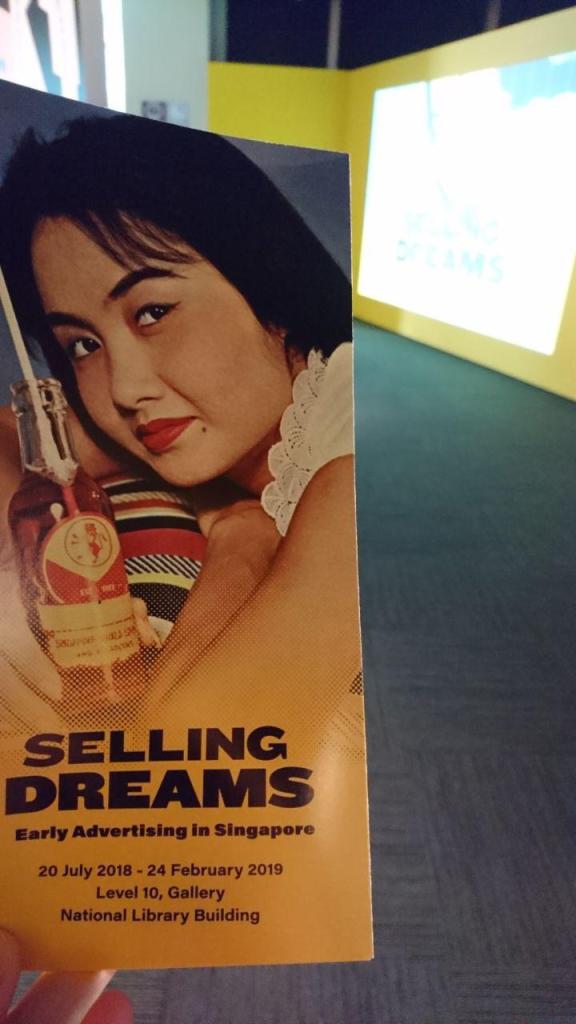
On that note, just wanna promote a current exhibition about Singapore’s early days of advertising! Cool and interactive stuff! I love how advertisements were the driving force of the economy. Still is. Without such cues, people would not be as interested or would not have known of useful products. (consumerism another story la ye).
Jemput datang library! 🙂


 Diarinsyirah